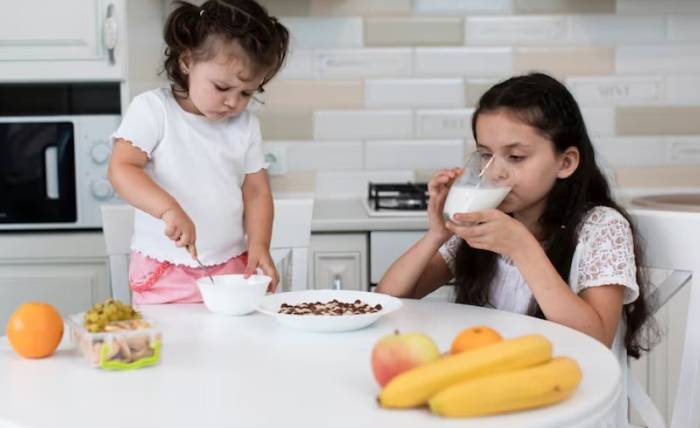
Busy mornings often move quickly when young children stay involved in drawing, reading, or building blocks. Small chews help maintain focus without making them feel heavy. Many parents prefer baby snacks that are simple to prepare and easy to make. Light meals between activities support steady energy levels. Balanced choices also help avoid sudden hunger during study time. Planning small portions makes the day smoother.
Simple foods that support steady energy
Small portions keep children active without slowing them down. Foods with natural nutrients help maintain attention during day time. Items should be soft, easy to eat, and simple to serve. Regular timing also helps the body stay balanced.
Handy items that children can eat easily
Short breaks between activities require quick foods that need little help. These ideas fit well during study or play time.
- Soft banana slices mixed with warm milk for quick strength
- Small rice balls with mild seasoning for simple eating time
- Boiled corn pieces served warm for light chewing practice
- Cut apple pieces soaked in water to keep their fresh colour
- Mini wheat bread squares with butter spread lightly
- Steamed carrot cubes that stay soft for easy biting
- Plain yogurt cup served with a small spoon for neat eating
- Homemade pancake pieces prepared without heavy sugar added
Easy choices for busy learning hours
Children often need quick bites between drawing, reading, or puzzles. Soft fruits, boiled grains, and milk-based items work well. These foods give strength without making them feel too full. Keeping portions small avoids waste.
Balanced portions help active children stay focused.
Correct quantity matters as much as food choice. Too much can make them sleepy. Too little may cause distraction. Small bowls help control serving size. Regular timing keeps hunger under control.
Which snack timing suits active learning hours?
Young children stay more attentive when they eat at fixed times. A break of two to three hours usually works well. Morning meals should stay light but filling. Afternoon bites should support movement without causing tiredness. Night-time portions must remain simple, so sleep stays calm.
Keeping a small schedule helps parents avoid confusion. When the body expects food at the same time daily, the mood stays steady. Regular timing also reduces sudden hunger during study tasks. This habit makes learning time smoother.
Useful snack schedule for daily routine
A simple plan helps parents prepare food without stress. Small meals placed between main meals work better for young children.
| Food Category | Primary Benefit | Recommended Serving |
| Fresh Vegetables | Fiber and Minerals | Half cup of sliced pieces |
| Dairy Products | Calcium and Protein | One small cube or cup |
| Whole Grains | B Vitamins and Energy | One thin slice of bread |
| Seeds and Nuts | Healthy Fats | One tablespoon of smooth butter |
| Fresh Fruits | Vitamin C and Antioxidants | One small piece of fruit |
Helpful answers for common snack doubts
Parents often have small questions while planning daily food for children.
- How often should small meals be given during study time? Every two to three hours works well.
- Can sweet items be given daily during activity hours? Give rarely to avoid an energy drop.
- What food stays safe for school snack boxes? Fruits, bread pieces, and boiled grains stay safe longer.
- Should milk be given with every small meal? Once or twice daily is enough.
- How to avoid waste while giving small portions? Use small bowls to control quantity.
- What helps children eat without distraction? Serve food at a fixed place each day.
Light food ideas for regular practice
Parents who prepare food early feel less pressure later. Keeping fruits washed and grains cooked saves time. Warm items should stay mild in taste. During evening study time, baby snacks that are soft help children stay calm. Planning keeps the routine smooth.
Steady habits build a healthy eating routine
Regular timing with simple meals keeps children active during study and play. Small portions prevent tiredness and help attention stay longer. Preparing food early saves time during busy hours. Soft items remain easy to eat without help. Consistent practice every day helps children accept healthy choices without resistance.